RV-12s, Block Time, and Software Built Around Both
A Daytona Beach school flying glass-cockpit RV-12iS trainers left software that frustrated it and set up Sky Schedule around how WingPath actually runs.
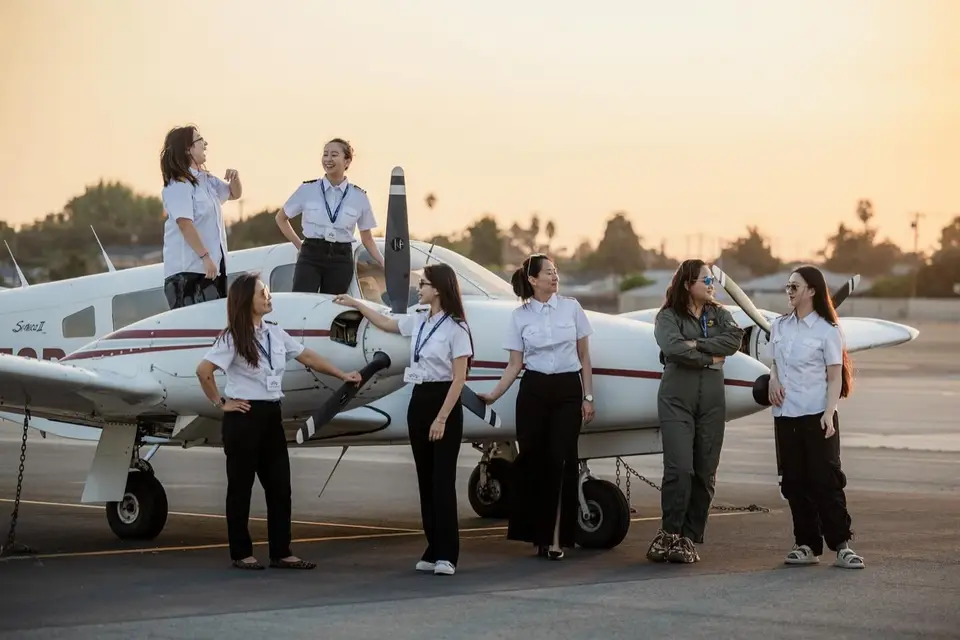
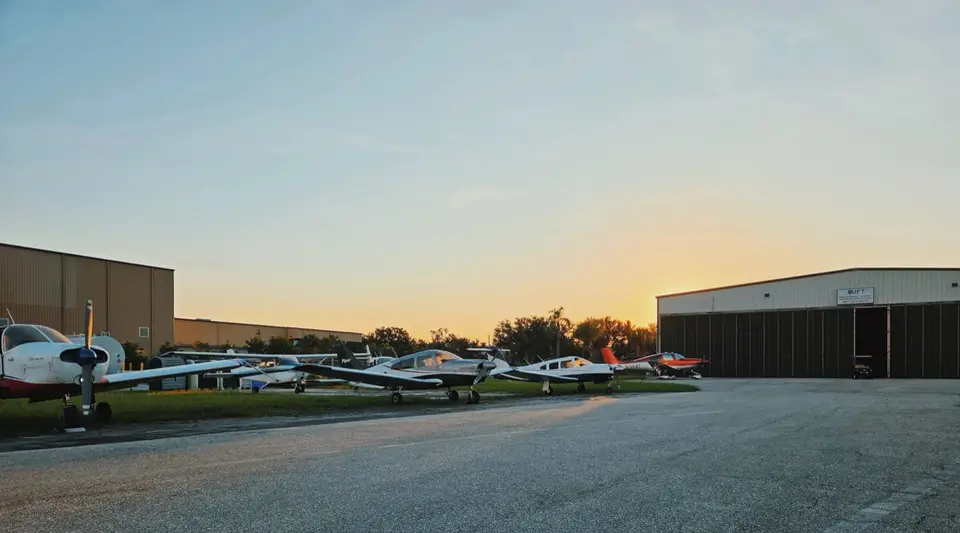
WingPath Flight School trains pilots in Van's RV-12iS airplanes from a hangar on Aviation Center Parkway at Daytona Beach International Airport (KDAB). Before Sky Schedule, the team was frustrated with the scheduling software it had. This Daytona Beach flight school now runs its schedule, its block-time billing, and its training records in Sky Schedule, set up to match the way WingPath sells and teaches flying.
Glass cockpits in a light-sport trainer
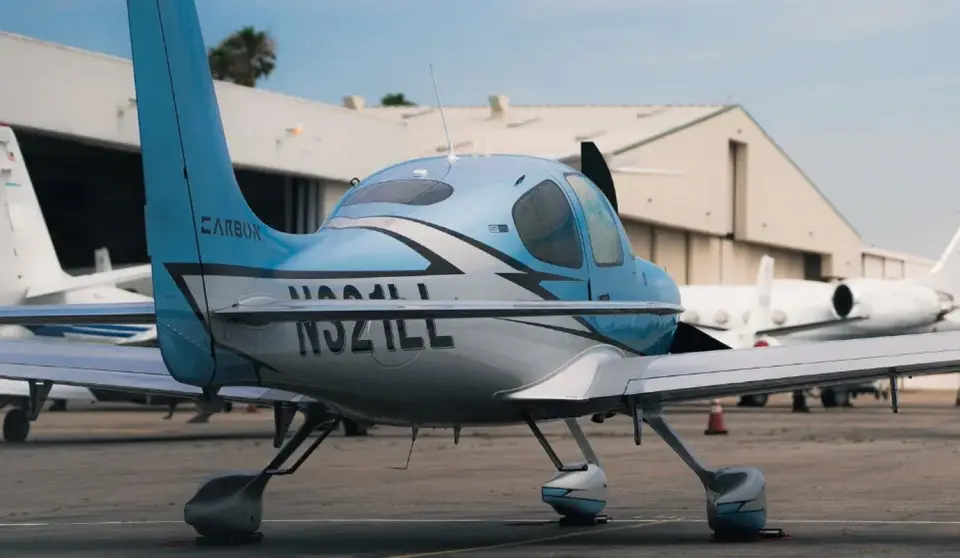
The RV-12iS is not the airplane most people picture when they think of a training fleet. WingPath's are the latest generation, with dual Garmin G3X glass displays and a Rotax engine that burns about 4 gallons an hour. Students start with a discovery flight of about an hour and can go from there to the Private Pilot certificate, the Instrument Rating, the Commercial certificate, and the CFI and CFII.
The commercial track is mostly about building hours, and WingPath prices it accordingly. Pilots can buy block time in the RV-12iS in 25-hour or 50-hour packages, paid up front. The purchase becomes flight credit on the pilot's account, and it can be used for solo flights and rentals but not for dual instruction.
When the software sets the rules
A school like this one shows why the fit between software and operation matters. Block time is a balance that goes down with every flight. Training is a syllabus with lessons that build on each other. Students are often on the move and want to manage their flying from a phone. When a system doesn't model those things the way the school runs them, someone ends up keeping the real numbers somewhere else, and the software becomes one more thing to reconcile.
The goal with Sky Schedule was to configure the system around WingPath's programs and pricing from the start.
Set up the WingPath way
Block time as a prepaid balance
In Sky Schedule, billing with prepaid balances works the way block time does. A top-up lands on the pilot's ledger, invoices from completed flights can be paid from the balance, and staff can add a manual credit when they need to. Packages can track usage too. The balance and the flying sit in the same record, so the question "how many hours do I have left?" has one answer.
Lessons that follow the syllabus
Each WingPath course is a program in Sky Schedule, split into lessons and graded steps. Instructors write up the lesson from the reservation after landing, students countersign, and progress bars show how far along each pilot is. Endorsements are tracked with their expirations. When a student moves from the Private toward the Instrument Rating, the record moves with them.
Scheduling from a phone
Students use the iPhone and iPad app to see their schedule, send Find a Time requests for staff to approve, upload documents, and follow their training progress. Instructors check out and complete flights from the ramp, with Hobbs and tach readings updating the aircraft's times as they go.
What changed
The school's model lives in the software now. Block time, lessons, and the schedule all come from the same place, set up to WingPath's rules.
For a school built around a modern airplane, the software behind the schedule finally matches the cockpit.