A Kalamazoo Rental Fleet Built for Time Builders
Eight airplanes, no flight school, and a rental business in Kalamazoo that runs memberships, block time, and renter paperwork on Sky Schedule.
Let There Be Flight doesn't teach anyone to fly, and that's by design. The Kalamazoo operation rents 8 airplanes to pilots who already hold a certificate, from time builders to pleasure fliers, and it places owners' aircraft on the line through leaseback. It runs that rental business on Sky Schedule, using the parts that matter when the customer is already a pilot.
From hangar work to an 8-airplane line
The business started in the spring of 2022 with minor maintenance for hangar tenants at Kalamazoo/Battle Creek International. About a year later it bought its first rental airplane. Demand outgrew a single aircraft, so the fleet grew through purchases and leasebacks.
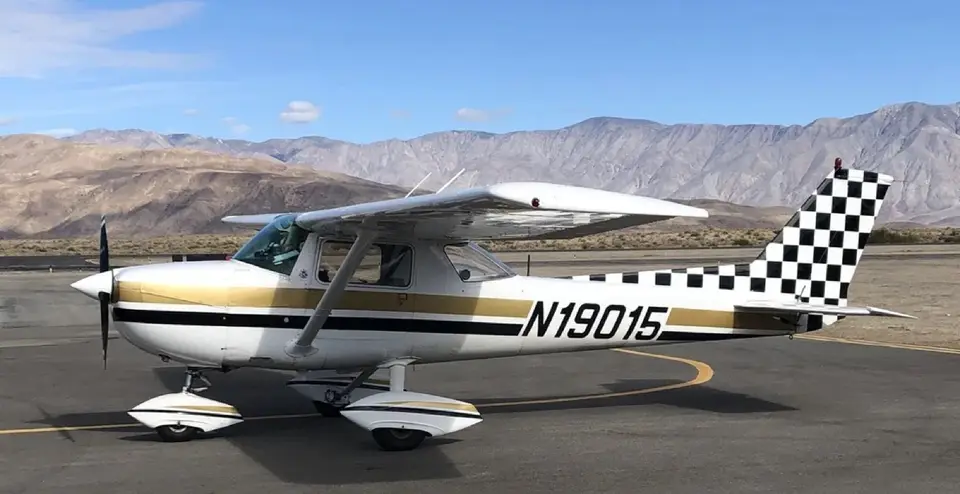
Today the line runs from a 1963 Piper Colt to a six-seat Cessna 210, with three Cessna 150s, a Cessna 172, a Piper Cherokee 140, and a Beech Sport in between. Several are IFR certified, and one 150 carries a WAAS GPS and dual G5s. The owner and operator is an A&P with Inspection Authorization, so maintenance happens on the field, and every airplane is hangared at AZO.
A rental business has different math
A flight school sells lessons. Let There Be Flight sells access. Renters pay monthly dues that open up the whole fleet, and pilots can buy block time, paid up front. Every renter signs a renter's agreement, carries their own renter's insurance, and needs an airport access badge to reach the airplanes. Leaseback owners fly the fleet without dues and get priority access to the schedule.
The pitch is affordable flying, so overhead has to stay low. Price was part of the reason Let There Be Flight moved off its previous software, and it's part of why the operation stays lean today.
How it runs on Sky Schedule
Joining
New renters go through onboarding before they can book. The renter's agreement is a policy document they sign electronically. Insurance and medical documents are uploaded with their expiration dates, and a card goes on file. The enrollment flow handles all of it, and the onboarding gate keeps anyone from booking until it's done.
Paying
Monthly dues run as a membership. Block time works as a prepaid balance: the renter tops up, the ledger tracks it, and invoices from completed flights are paid from the balance. Invoices are drafted automatically from each completed flight, so the hourly rate and the Hobbs time do the math. Renters pay by card or Apple Pay through Stripe, and a bank account a renter has saved can be charged too. More on billing.
Flying
Renters book from their phone with the Sky Schedule app. At the airplane, they check out, fly, and close the flight with Hobbs and Tach readings, which update the aircraft's times. If something is wrong with the airplane, the squawk goes straight into the system. A grounding write-up shows on the schedule and fails the dispatch check until the work order is completed, which matters when the person fixing it is also the person running the business.
New pilots asking
Pilots who want to join start by asking for a meet and greet to see the airplanes. Those inquiries are tracked as leads in the CRM, with follow-up dates, so a pilot who asked about the 210 in March hears back.
Lean, on purpose
The paperwork a rental business lives on (agreements, insurance, medicals, cards) is collected once, up front, by the renter. Dues and block time sit in the same system as the schedule, so nobody reconciles balances somewhere else. Hours come from the Hobbs reading the pilot enters at the end of the flight, and the airplane's times update with it.
For a business built on keeping good airplanes affordable, the software has to stay out of the way and keep its cost in proportion to the fleet.