Every Reservation at Fly Whiskey Tango Comes With a Go or No-Go
A Scottsdale school with a standardized Cessna 172 fleet moved compliance off the front desk and onto the reservation, so every flight shows a go or no-go.
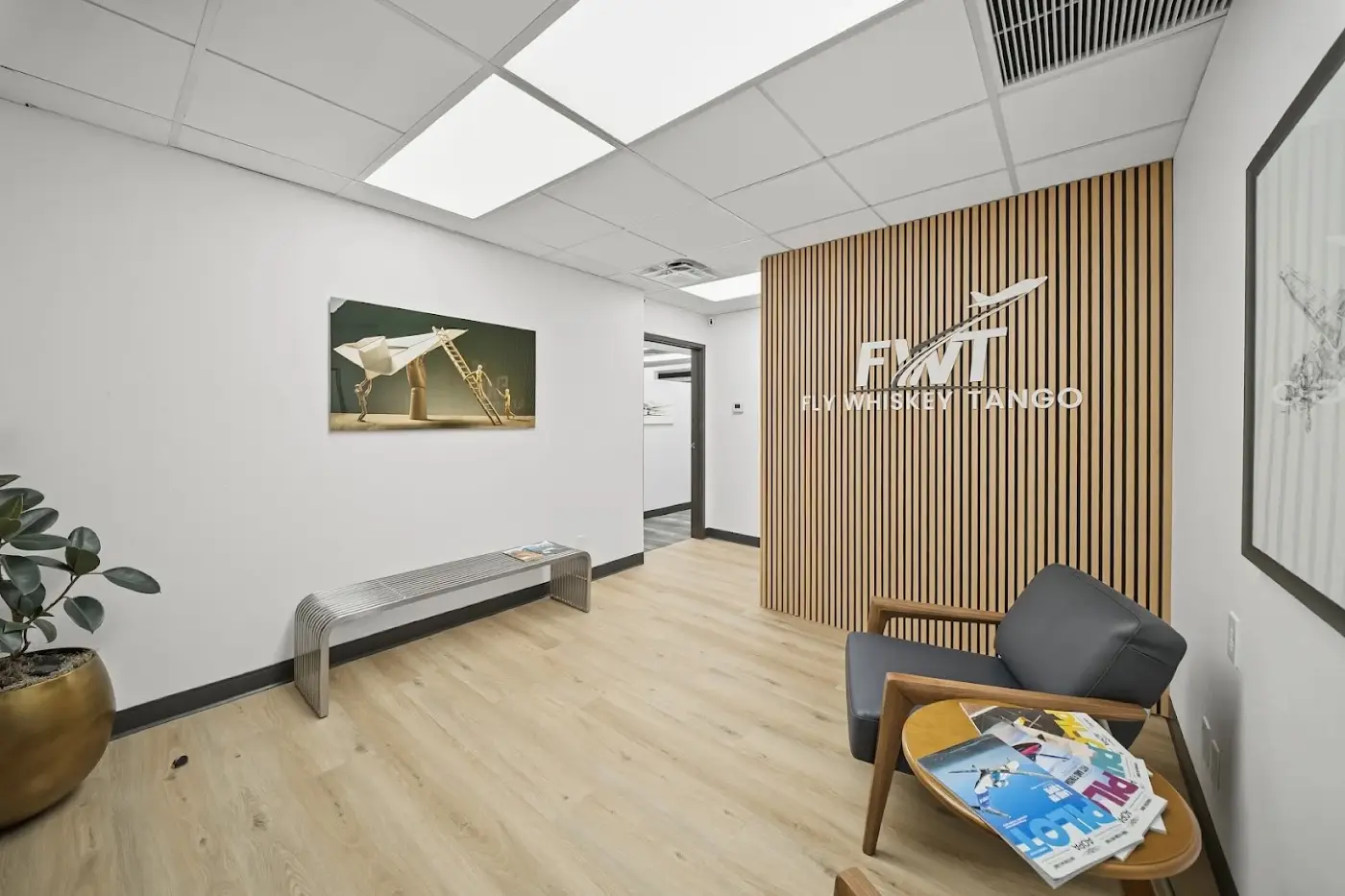
Fly Whiskey Tango is a Scottsdale flight school founded by pilots, flying a standardized line of Cessna 172s out of Scottsdale Airport (KSDL). The school holds its students and renters to a clear written standard. When it moved to Sky Schedule, the goal was to make the software hold that standard too, so the front desk could stop enforcing it by hand. Today every reservation tells the team whether a flight is a go before anyone walks out to the airplane.
Standardized airplanes, hand-picked instructors
The fleet is built to one configuration: a 180 hp Cessna 172 with a Garmin G3X Touch and a GTN 750Xi, kept in a hangar, with air conditioning on select aircraft. A pilot who learns the panel in one airplane knows it in all of them. The instructors are hand-selected CFIs, and the training leans IFR-first and scenario-based, flown in real airspace and real desert weather. The school's stated aim is pilots who understand the why behind what they do in the cockpit.
Programs run from Private Pilot through Instrument, Commercial, and CFI and CFII, plus time building, currency and proficiency flights, and discovery flights. Renting is deliberately selective. Renters must be instrument rated or higher, carry their own renter's insurance with set minimums, sign a rental agreement, and fly a checkout with a Fly Whiskey Tango instructor. Approval comes only after their documents are verified.
That is a lot of paper per pilot. Medicals, IDs, and insurance policies all expire, and every one of them matters on the day of the flight.
When the front desk was the compliance system
Before Sky Schedule, Fly Whiskey Tango was a young school buried in busy work. Scheduling lived in a previous system the team had grown frustrated with. New leads came in through a separate booking tool. Billing and compliance both sat with the front desk, which meant chasing forms, checking documents, and keeping solo students and renters legal by hand.
The core problem was simple. An open slot on the schedule said the airplane was free. It said nothing about whether the pilot was legal to take it.
How the school runs on Sky Schedule now
Fly Whiskey Tango brought everything over at once, from the student roster and the 172s to billing and compliance, then set Sky Schedule up around the checks the desk had been doing by hand.
Onboarding by role
Each role and type of customer gets its own onboarding form. Students get a student flow, and documents go in with their expiration dates attached. Staff review what comes in before anyone is cleared to fly.
Requirements that live on the activity
Activity types carry their own document requirements. A solo is the clearest example. The student uploads what that solo requires. If something is missing, the booking form flags it and the pre-flight check shows it again, so an open slot is no longer the whole picture.
A checkout form that won't close early
Renter flights use a check-out form with required fields and photos. Start and end Hobbs and tach are mandatory, so checkout does not finish without them, and the readings update the aircraft's times when the flight is completed.
A go or no-go on every reservation
Each reservation gets a pre-flight check that returns a go or no-go along with a risk assessment score. It flags expired documents on the customer or the instructor, inspections coming due, and any missing requirement, including endorsements. Problems show up on the booking instead of at the counter on the morning of the flight. Our compliance page covers how those checks work.
Leads that start on the school's own site
Custom forms and the discovery flight widget are embedded on Fly Whiskey Tango's website, so a new inquiry or a discovery flight booking lands in the same system as everything else. Follow-up happens in the CRM, next to the rest of the pilot's record.
What's different
Compliance now lives on the reservation. Staff spend less of the day re-checking medical and insurance dates and more of it with students and renters.
Billing moved with everything else, so the flight record and the charge come from the same place instead of being matched up after the fact. When the school wanted something configured to fit the way it flies, it worked it through with the Sky Schedule team.
For a school that sells itself on standards, the software now checks the same ones. A pilot who is legal, with current documents, in an airworthy airplane gets a go. Anything short of that shows up on the reservation first.