From Fergus Falls to Bemidji on One Schedule
Two Minnesota airports, separate fleets, accelerated students flying most days, and one schedule that holds it all after the switch to Sky Schedule.
Nordic Plains Aviation is a Part 61 flight school with two homes in Minnesota: Fergus Falls Regional Airport (KFFM) and Bemidji Regional Airport (KBJI). Each base has its own airplanes and its own instructors, and the school promises tailored training with no generic courses. When Nordic Plains switched to Sky Schedule, the goal was simple: one schedule for both airports.
Two bases, one way of teaching
The two owners are both CFI and CFII instructors and work at both bases. The Bemidji side grew out of a flight school that one of the school's instructors started there, which is now part of Nordic Plains.
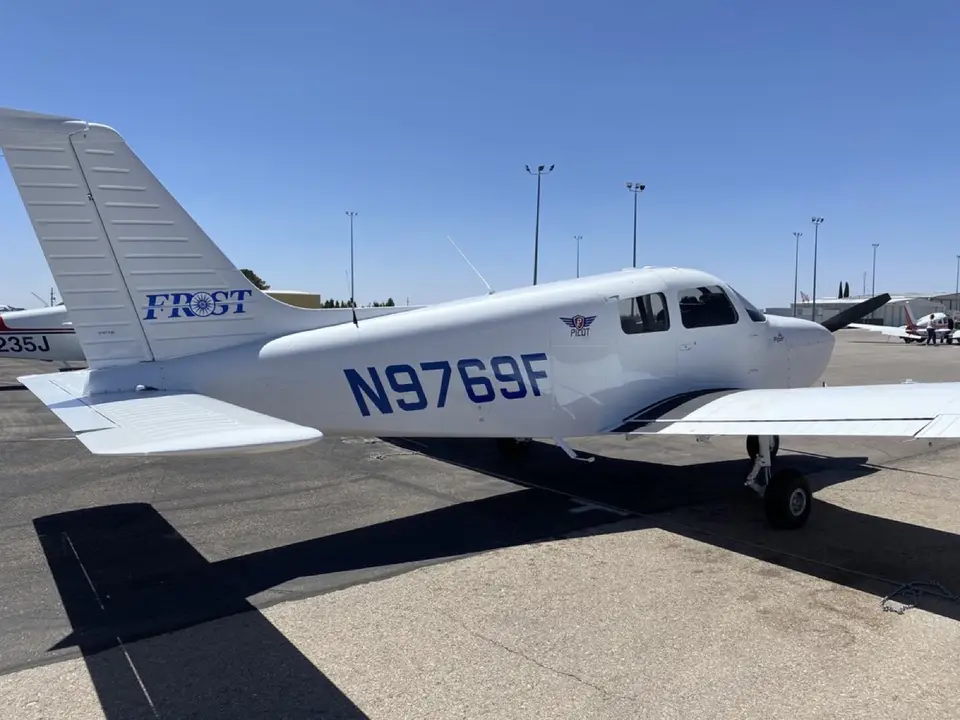
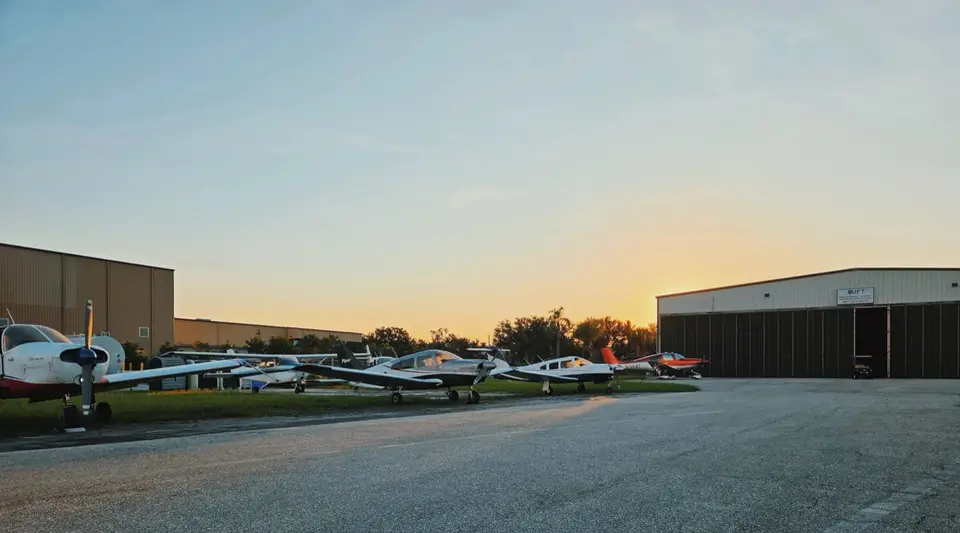
The two fleets are different. Fergus Falls flies three Piper Cherokee 140s and a Piper Arrow that meets both the complex and technically advanced aircraft requirements for commercial training, plus a full-motion Redbird simulator. Bemidji flies two Cessna 172s and a Cessna 150. Students can pick a base by geography, by high wing or low wing, or by what they're training for.
Training comes in two speeds. Local students go at their own pace, ideally flying once or twice a week. Accelerated students come in from out of the area, sometimes from other states, and fly most days to finish a certificate or rating in a few weeks. The school can arrange housing for them. A two-day ground school runs several times a year.
Why two airports are harder than one
At one airport, a schedule can lean on whoever is at the desk. At two, it can't. An owner who teaches at both airports can't be booked in Fergus Falls and Bemidji on the same morning. An accelerated student needs an airplane and an instructor held for days at a stretch, while local students fit into the gaps. Some of the instructors teach around other jobs, so their availability changes week to week. And Minnesota weather means some of those blocks get canceled and rebuilt.
That was the shape of the problem when Nordic Plains moved off its previous scheduling software.
The setup now
Both fleets, one view
Every aircraft and instructor at both airports lives on one scheduling calendar. The booking form warns about the conflicts that matter for a two-base school, like the same instructor on two airplanes at the same time, before they turn into a phone call on the ramp.
Blocks for accelerated students
Recurring bookings let the school hold an airplane and an instructor for an accelerated student's whole stay. When weather scrubs a day, staff cancel that one occurrence without touching the rest of the series, and change and cancel emails go out on their own.
Instructors' own calendars
Google Calendar sync puts lessons on instructors' personal calendars, which helps the ones balancing flight instruction with other work. Anyone who prefers Apple or Outlook can export a reservation as a calendar file.
Training records across bases
Lessons are logged from the booking and graded step by step, so a student who trains at one base and finishes at the other carries one record. Where a school's previous software supports it, Sky Schedule can also import training history, which is part of what makes switching mid-training workable.
What it looks like after the switch
Owners who teach at both airports see both from one login. Instructors at Fergus Falls and Bemidji work off the same calendar, so a booking made at one base is visible at the other. Accelerated students get their block held without anyone rebuilding it by hand, and local students still find open times in between.
Nordic Plains still teaches the way it says it does: tailored, efficient, no generic courses. The schedule now covers both airports.