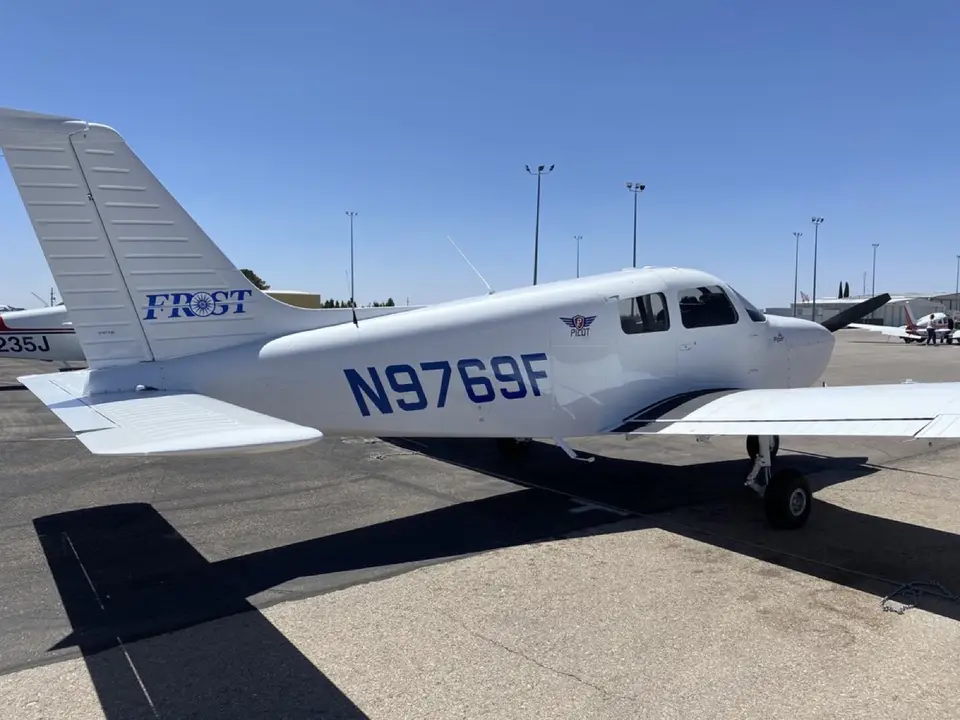
Academy of Aviation Keeps 9 Campuses on One Part 141 Standard
A Part 141 career pilot school with 9 campuses from Long Island to Southern California, using Sky Schedule to keep scheduling, training, and documents consistent.
Academy of Aviation (AOA) is a Part 141 career pilot school with 9 campuses, from Republic Airport (KFRG) in Farmingdale, New York, to Gillespie Field near San Diego. At that size, the hard part of running a flight school is making sure lesson 14 means the same thing in Islip as it does in Orlando. The school uses Sky Schedule to keep scheduling, training records, and student documents on one standard as a Part 141 flight school spread across 5 states.
From Long Island to Southern California
AOA's own campuses are in Farmingdale, White Plains, and Islip in New York; Gastonia, North Carolina, near Charlotte; Peachtree City, Georgia, near Atlanta; and Orlando, Florida. Through its SunState brand it also trains in Kissimmee, Florida, and in Long Beach and San Diego, California. In Gastonia, AOA manages the municipal airport as the FBO.
Single-engine training is in the Cessna 172 with a G1000 glass cockpit, and multi-engine training is in the Diamond DA42. The Farmingdale campus has a Redbird full-motion simulator. The career program runs from Private Pilot through the Instrument Rating and Commercial certificate to CFI, CFII, and MEI, and there's a separate 100-hour multi-engine program.
The school holds an FAA Part 141 Air Agency Certificate, and its website notes that it is one of only 4 Delta Propel affiliate flight schools in the United States. Instructors who train there can apply to Delta Propel once they're within 12 months of R-ATP or ATP minimums. AOA also takes part in the Republic Airways RJet Cadet Program.
The hard part of running 9 campuses
Every campus adds aircraft, instructors, students, and one more place for things to drift. One location might track medicals in a spreadsheet, another might log lessons in a slightly different format, a third might build schedules by hand. At a single-site school that's an annoyance. At a Part 141 school with an approved curriculum and airline pathway programs on the line, the training record has to show the same syllabus being followed the same way everywhere.
Scheduling has its own scale problem. AOA builds each student's schedule from an availability form completed at enrollment. Full-time students typically fly at least 5 sessions a week, part-time students 3 to 4. Multiply that across 9 campuses and the calendar is the operation.
Where Sky Schedule fits
Recurring sessions built from availability
A student's weekly pattern goes in once as a recurring booking for an aircraft and an instructor, and Sky Schedule's overlap and conflict detection catches collisions before they reach the ramp. When weather scrubs a Tuesday, staff cancel that one occurrence without touching the rest of the series. Instructors can send their reservations to Google Calendar, where events update as bookings change. More on how that works on the scheduling page.
A syllabus that becomes a program
Sky Schedule's training records can start from a PDF syllabus: AI reads it and builds the program, including the title, the Part 141 designation, the lessons, and the steps inside each lesson. An instructor in Orlando and one in White Plains grade the same steps with the same star scale, students countersign each entry, and progress bars show where every student stands against the same program. Lesson 14 means the same thing at every campus because it's the same lesson in the software.
Documents before dispatch
Medicals, IDs, and passports carry expiration dates. A gap is flagged in the booking form and shows up again on the dispatch report, whichever campus the flight leaves from. AOA's website notes that non-U.S. citizens need TSA clearance before training. Sky Schedule's TSA report helps with the paperwork side: it previews the roster and downloads a ZIP of each person's ID documents with a summary.
Reports at the school level
Leadership reads revenue, aircraft utilization, and instructor hours from reports in the web app, built from the flights and invoices every campus already records.
What one standard looks like
A student in Peachtree City and a student in White Plains follow the same program, graded the same way, with their documents checked by the same rules. The schedule at each campus runs on the same logic. A new campus gets added to a system that already works, rather than growing one more set of local habits.