Consistency Is the Whole Point at Flight Academy of South Texas
A Brownsville academy founded so one student could get steady, consistent training. Sky Schedule helps it deliver the same for everyone who comes after.
Flight Academy of South Texas, known as FAST, started with a father, a daughter, and a problem. The founder's daughter was working toward a professional pilot career and struggled to get consistent training. Her father decided that if the place she needed didn't exist, he would build it. That origin explains how the Brownsville flight school runs, and why it uses Sky Schedule the way it does.
A new academy at the southern tip of Texas
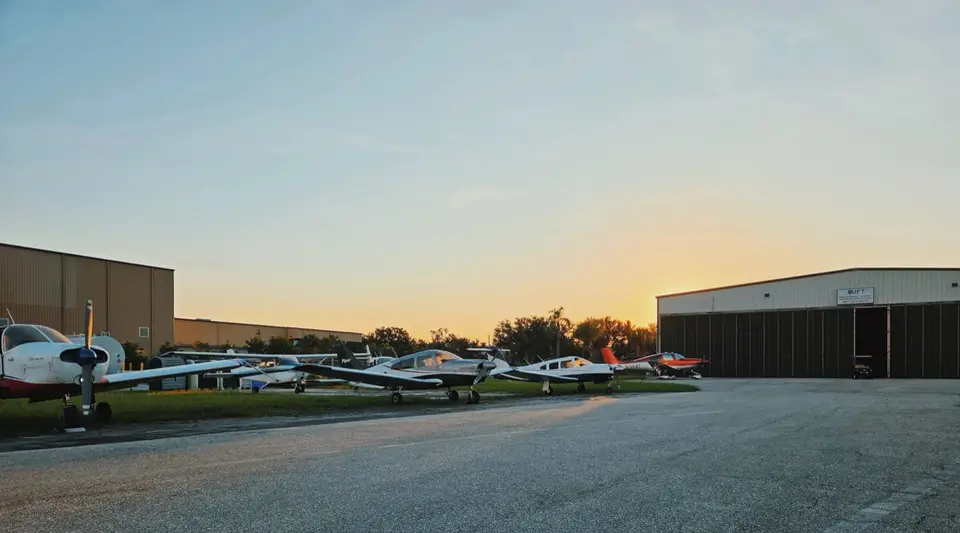
FAST operates at Brownsville South Padre Island International Airport, headquartered at the Hunt PanAm Aviation FBO. The founder serves as CEO alongside a co-founder, his daughter is COO, and a chief flight instructor leads the training side.
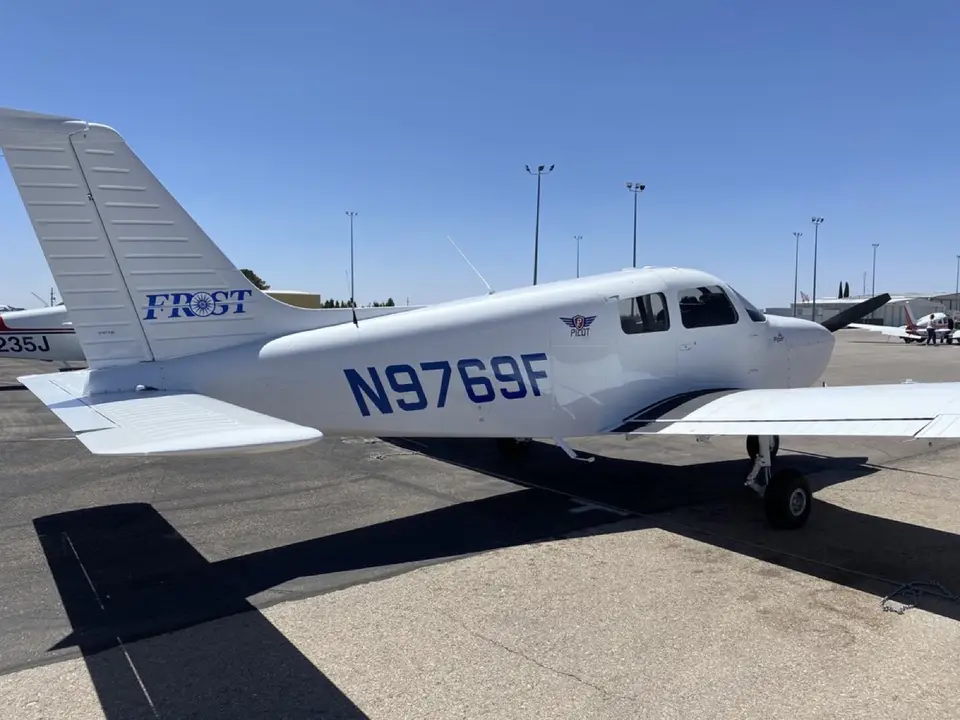
The academy trains in the Tecnam P-Mentor, a two-seat airplane Tecnam designed as a single platform for pilot training, which FAST uses from first lessons through instrument and upset recovery work. Through a partnership with True Course Simulations, students also train on virtual reality and mixed reality simulators that connect classroom theory with the cockpit. Training is Part 61, from a discovery flight through Sport Pilot, Private Pilot, Instrument Rating, Commercial Pilot, a multi-engine add-on, and flight instructor.
The mission reaches past any one student. FAST wants to build an aviation community in South Texas, so young people from the region don't have to leave to learn to fly, and it puts particular effort into encouraging women to see aviation as a place where they belong.
What inconsistent training costs
Anyone who has learned to fly knows the pattern. A lesson gets bumped, then another. The next instructor doesn't know where the last one left off, so the first half hour is review. Weeks go by between flights, and skills fade. Students pay for the same lesson twice and lose momentum. FAST's founders saw what that does to a student, and they built the academy to avoid it.
Running a one-airplane academy
Holding the slot
With one airplane, a schedule conflict is a lost lesson. Recurring scheduling lets FAST give a student the same slots every week, so someone who flies Tuesday and Thursday evenings keeps those times week after week. Overlap detection stops the P-Mentor from being promised twice, and inspections with due dates keep maintenance from surprising anyone on the morning of a lesson.
One record, any instructor
Instructors grade each lesson step by step from the same booking the student flew. Progress bars show the student and the instructor where things stand. When a student flies with a different instructor, the training records carry over, and the lesson starts where the last one ended instead of at the beginning.
Knowing how the airplane is used
When one airplane is the whole fleet, every idle hour shows. Utilization reports in the web app show how the P-Mentor's time is spent, next to revenue and instructor hours.
Early days in Brownsville
FAST is young, and it has already drawn attention, including a feature in FLYING Magazine about a new Texas academy built as a family effort. The team is happy with how Sky Schedule fits a school at this stage: one airplane, a full list of programs, and a promise of consistency that has to show up on every student's calendar and in every logbook entry.
The academy exists because one student couldn't find steady training. Its schedule and records are set up so that the students who come after her don't have to look for it.