Six Aircraft Types, One Training Record at Van Nuys
LA Flight School trains in everything from a Cessna 162 to a Cirrus SR22T at Van Nuys. Sky Schedule keeps the schedule and each student's record straight.
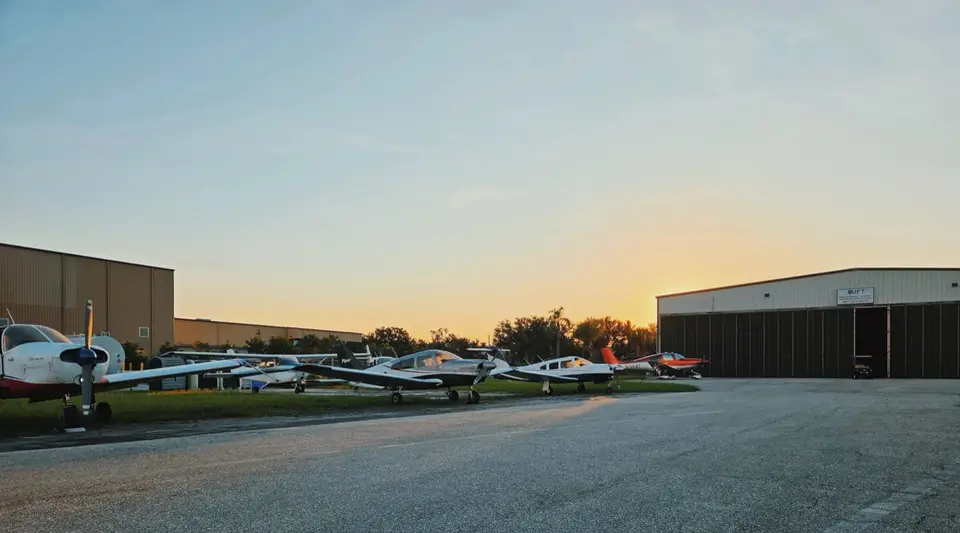
LA Flight School has trained pilots at Van Nuys Airport (KVNY) since 2007, on one of the busiest general aviation airports in the country. Its fleet covers 6 aircraft types, every one owned by the school and maintained in its own shop on the field, plus a Redbird full-motion simulator. For this Van Nuys flight school, Sky Schedule handles the two jobs a fleet like that makes hardest: putting the right student in the right airplane with the right instructor, and keeping one clean training record as that student moves up through the fleet.
A fleet with a progression built in
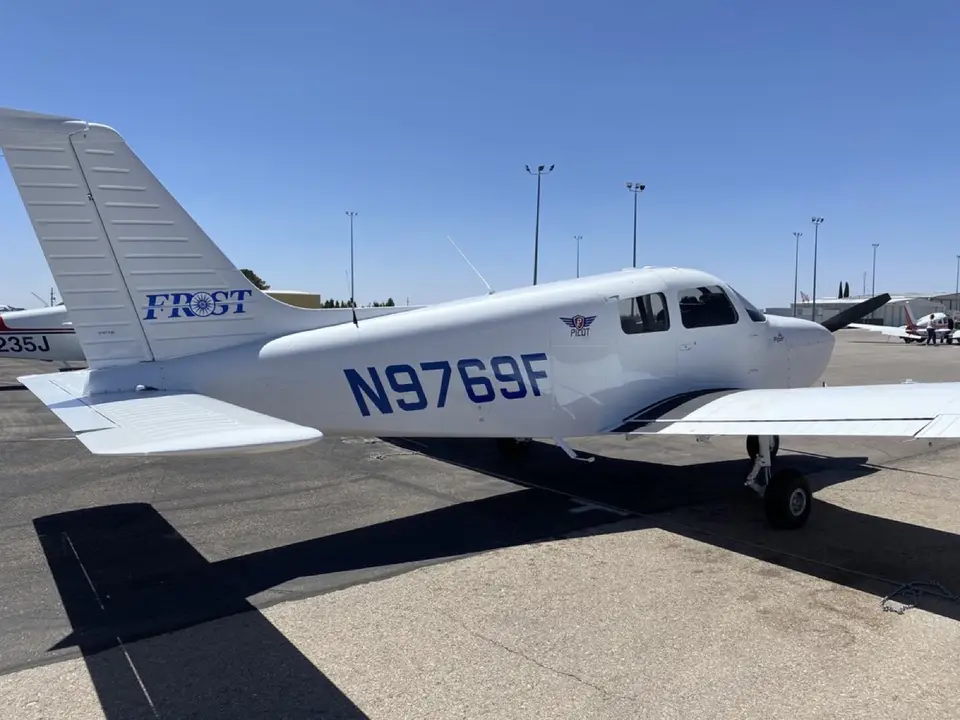
The lineup reads like a training syllabus. There's a Cessna 162 Skycatcher for light-sport and first lessons, a Piper Warrior for the Private, a Diamond DA20, a Piper Arrow for complex time, a Piper Seminole twin for the multi-engine rating, and a turbocharged Cirrus SR22T at the top. The Redbird MCX simulator is an FAA-approved Advanced Aviation Training Device with single and multi-engine configurations.
The school is Part 61 and open from 9 AM to 9 PM, 7 days a week. It publishes fixed prices for its programs, from a discovery flight through the Private, Instrument, Commercial, and multi-engine ratings to an Airline Pilot Program that starts at zero hours. There's also a sport pilot course, a CFI course, and a teen program for ages 10 to 15. The shop on the field works only on the school's own airplanes, which the school credits with keeping the fleet on the schedule.
Why 6 types make scheduling harder
With a single type, any open airplane will do. With 6, the booking has to match the lesson. A student working toward a complex endorsement under 14 CFR 61.31(e) needs the Arrow. A high-performance endorsement under 61.31(f) points to the Cirrus. Multi-engine training needs the Seminole and an instructor with a multi-engine instructor rating. And a student who started in the Skycatcher and finished the Private in the Warrior needs one record that covers both airplanes.
The same fleet that gives students a clear path to the airlines gives the schedule a lot of ways to go wrong.
How the school runs it in Sky Schedule
Every reservation pairs an aircraft and an instructor on one schedule, with overlap and conflict detection so the Seminole isn't promised to 2 students on the same afternoon. The booking form flags a missing document or endorsement, using rules the school sets for each type of activity, and the dispatch report lists any gap again on the day of the flight. Nobody at the counter has to remember which endorsement goes with which airplane.
Training lives alongside the schedule. Each course is a training program in Sky Schedule, with lessons broken into steps. Instructors open the lesson from the reservation, score each step, and the student countersigns the entry. Endorsements go into a catalog with their expirations, so a solo endorsement that's about to lapse doesn't surprise anyone. Progress bars show where each student is, whether they're 3 lessons into the Private or deep into the Airline Pilot Program.
When a student moves from the Warrior to the Arrow to the Seminole, nothing about the record changes except what's in it. The lessons, grades, and endorsements from the first flight are still there on the last.
What students get out of it
LA Flight School has been happy with the setup, and its students see the result in a schedule that matches their training and a record that follows them from type to type. A school that sells fixed-price programs has every reason to keep students moving through them without lost lessons or repeated ones. Sky Schedule's training records are how the school keeps that promise across 6 aircraft types and a simulator, on a field that has kept it busy since 2007.