From One Airplane to a CTLS Fleet at Adventure Air
An Oklahoma school that started with one light sport airplane moved its growing CTLS fleet onto a schedule that checked-out renters can book around the clock.
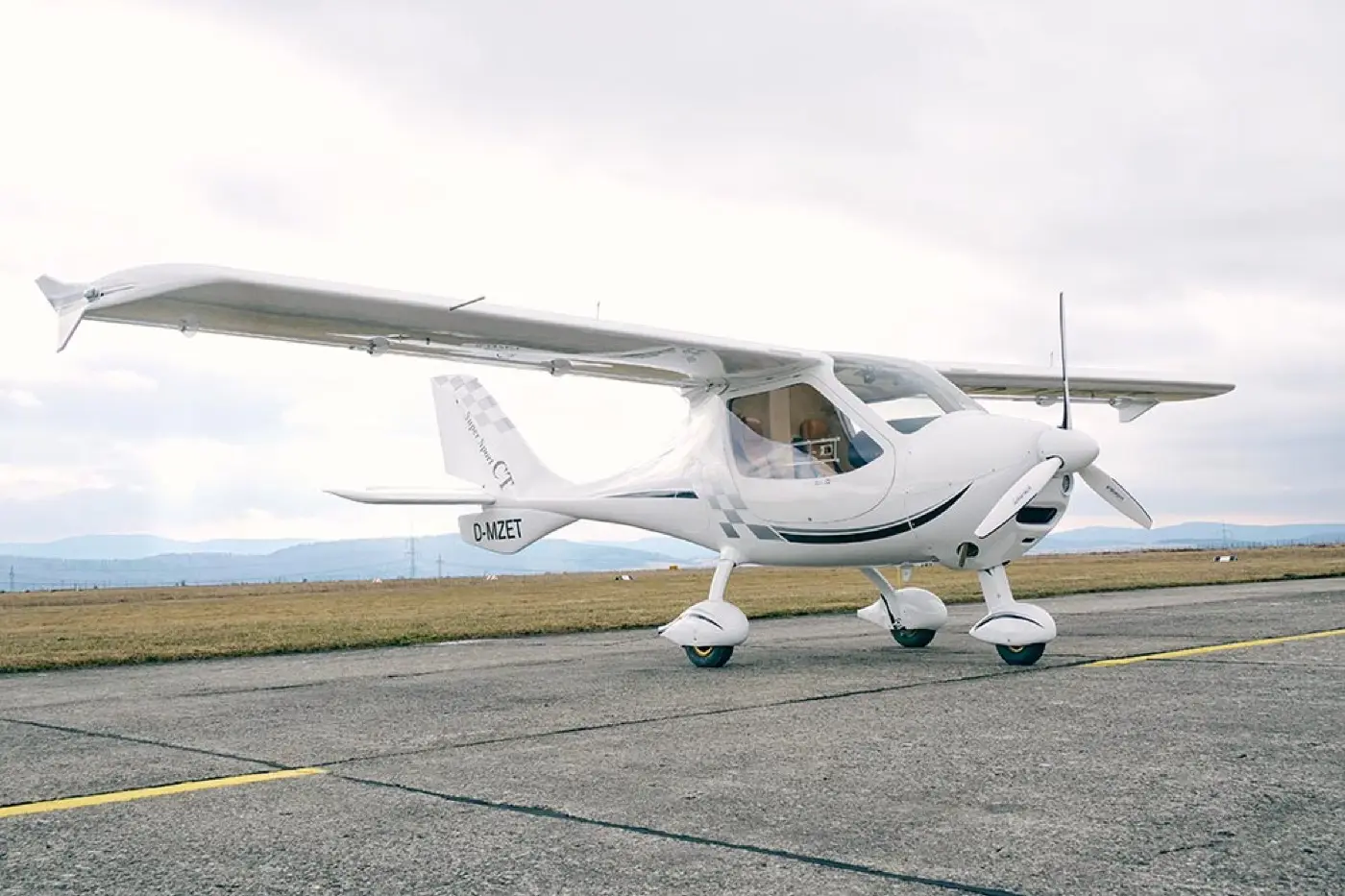
Every airplane at Adventure Air is a Flight Design CTLS. The flight school flies them from David Jay Perry Airport (1K4) in Goldsby, Oklahoma, a short drive south of Oklahoma City, and trains everyone from Sport Pilot students to future instrument instructors. It started with a single airplane. As the fleet grew, it moved its schedule to Sky Schedule, so students and checked-out renters can book, change, and cancel on their own instead of waiting on a phone call.
One airplane type, by design
Adventure Air was founded by a Chickasaw pilot who began flying in 2017, was a working flight instructor by 2020, and started the school with one airplane a few years ago. The fleet has grown since, but the choice of airplane has not changed.
The CTLS is a composite, clean-sheet light sport design rather than a retrofitted trainer. Adventure Air's are each less than 15 years old and fly with a glass cockpit, a two-axis autopilot with altitude and heading hold, ADS-B In and Out, and a ballistic recovery parachute. The Rotax 912 pulls them along at about 120 knots. They are also IFR-capable and qualify as technically advanced aircraft, so one airframe covers a student's path from first lesson to instrument rating.
That path starts with Sport Pilot, which has a 20-hour minimum and does not require an FAA medical certificate. From there it runs through Private Pilot, Instrument, Commercial, CFI, and CFII. A one-hour discovery flight puts a prospect at the controls with no commitment. The school is open Monday through Saturday, from early morning until late evening, and it serves students from across the Oklahoma City metro and neighboring states.
Outgrowing the first setup
A process that works for one airplane does not hold for a fleet. Before Sky Schedule, Adventure Air booked discovery flights and training through different channels. Inquiries from the website did not always make it into the same system as enrolled students, and follow-up still depended on manual work at the desk.
Each new airplane added more bookings, and more of them were running through the phone.
How the schedule works now
Renters who run their own bookings
Renting at Adventure Air is straightforward and strict. A renter needs a Sport Pilot certificate or higher, a flight review within the previous 24 calendar months under 14 CFR 61.56, and renter's insurance before flying solo. Then comes a check-out with an Adventure Air CFI, usually two to three hours of ground and flight. To keep renting solo, a pilot needs recent time in the CTLS, or a quick re-check.
Once cleared, renters are added to the online schedule and can book, change, or cancel at any hour. Sky Schedule sends change and cancellation emails and reservation reminders, so the office is not fielding every adjustment by phone. Cancellations need 24 hours' notice, and weather cancellations are free. See how that works on our scheduling page.
Leads and students in one place
Discovery flight inquiries and enrolled students now live in the same system, so a first flight is the start of the student's record rather than a separate workflow.
Moving without losing track
Moving to new software mid-growth is a real concern for a small school. Adventure Air brought its people, aircraft, and schedule over to Sky Schedule together. Our switching page covers what a move like that involves.
Where the time went
The biggest change is who does the scheduling. Checked-out pilots handle their own bookings around the clock, and the staff spend less of the day on the phone moving reservations around. That time goes back into instruction and into the airplanes.
When the next CTLS arrives, it goes onto the same schedule renters already book from.